
Porcelana Building, Vouliagmenis, Athens
Porcelana’s commercial building is located on Vouliagmeni Street in Athens and was designed by architect N. Ktenas.


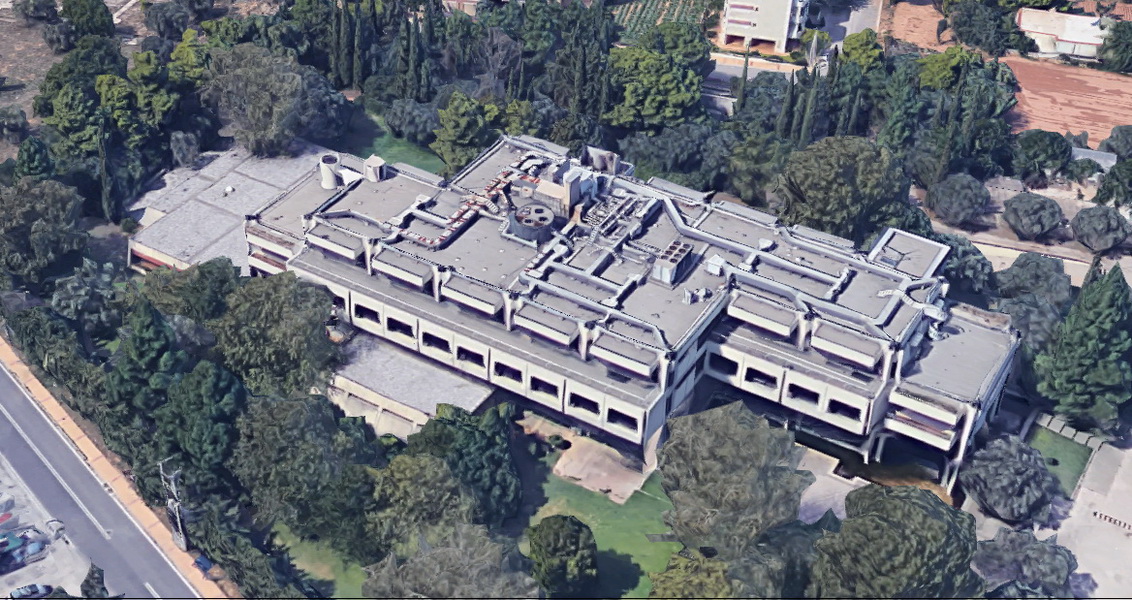
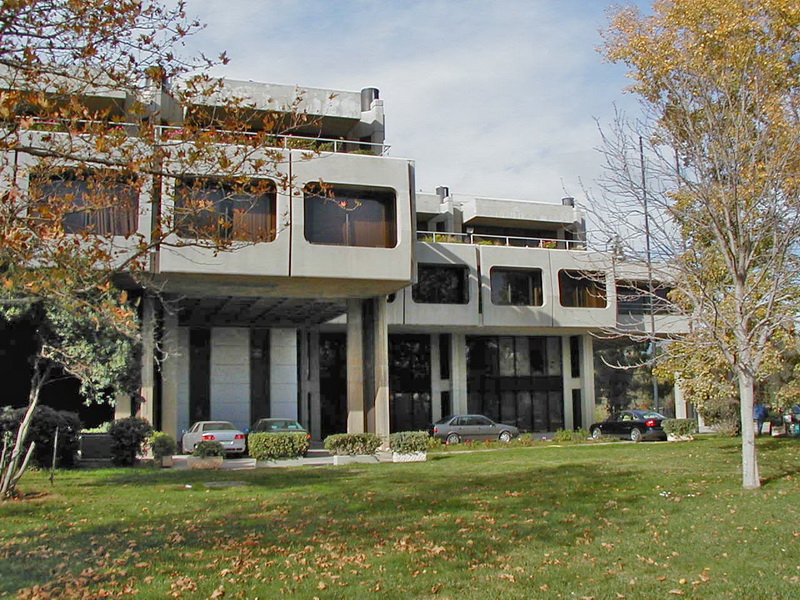

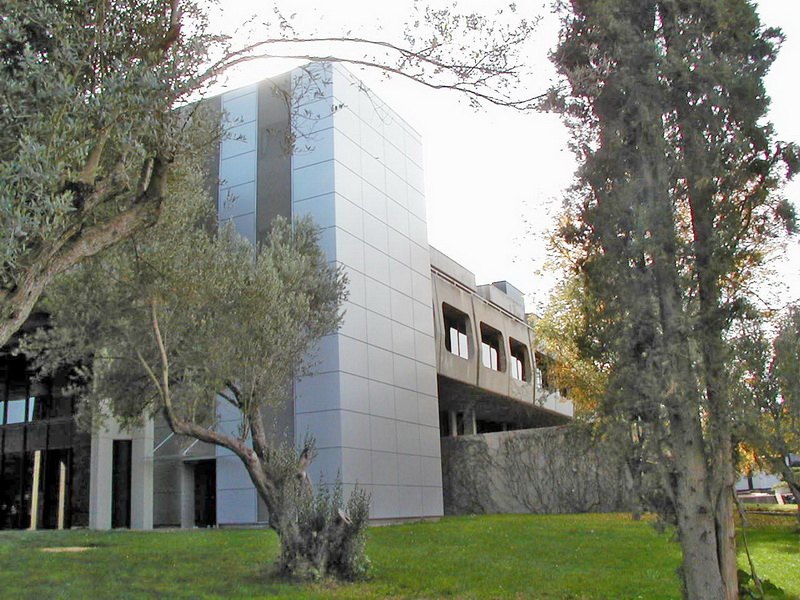


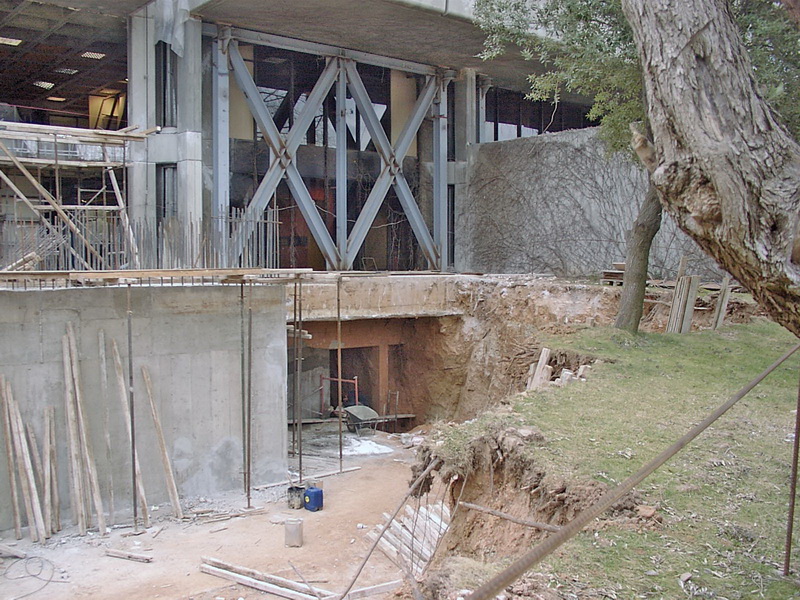
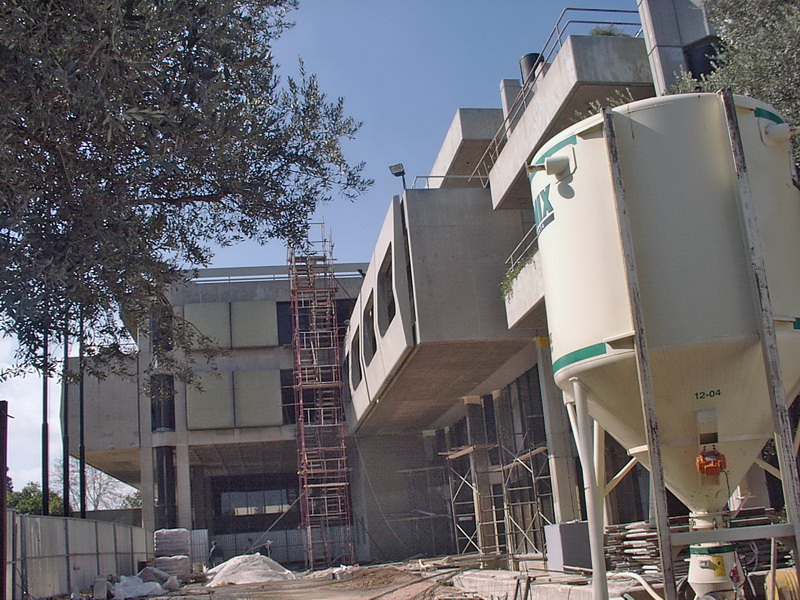


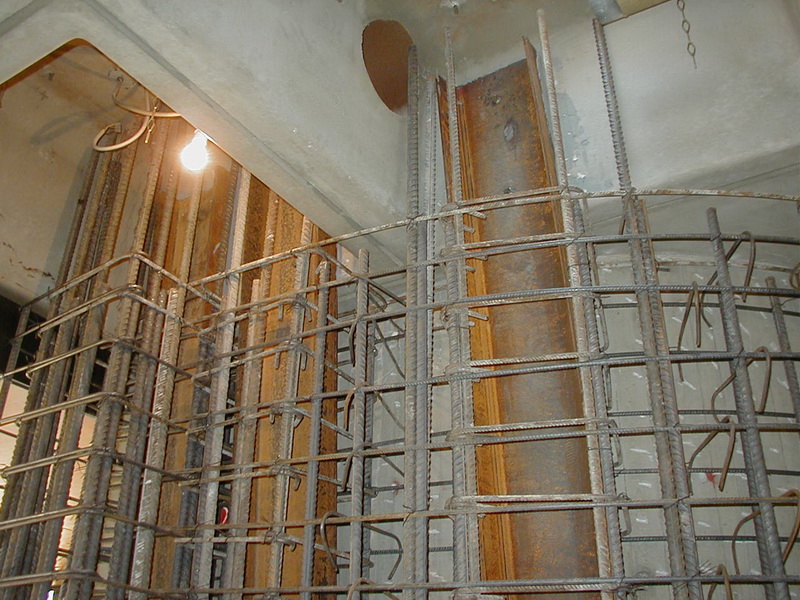
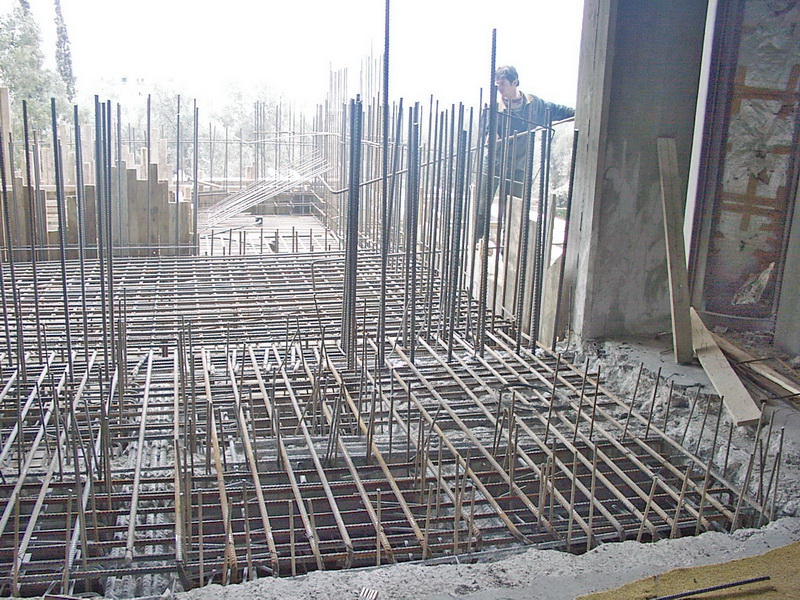
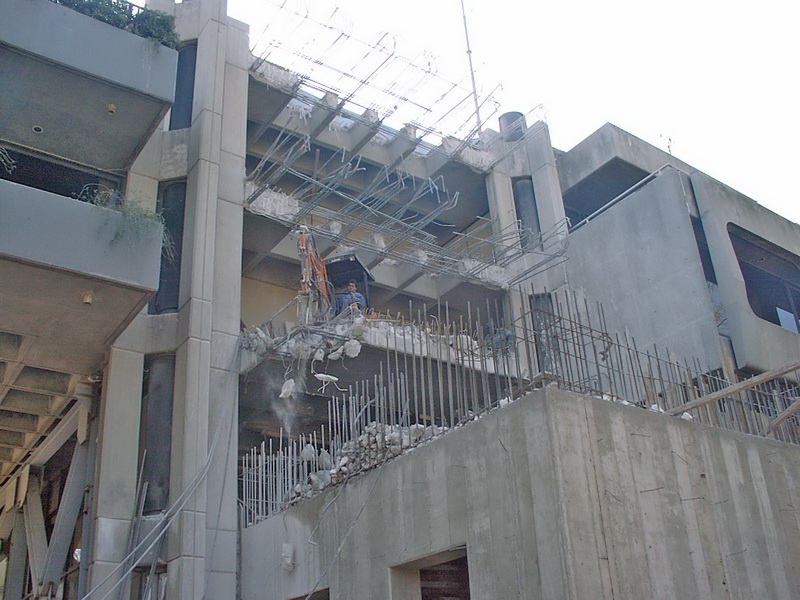
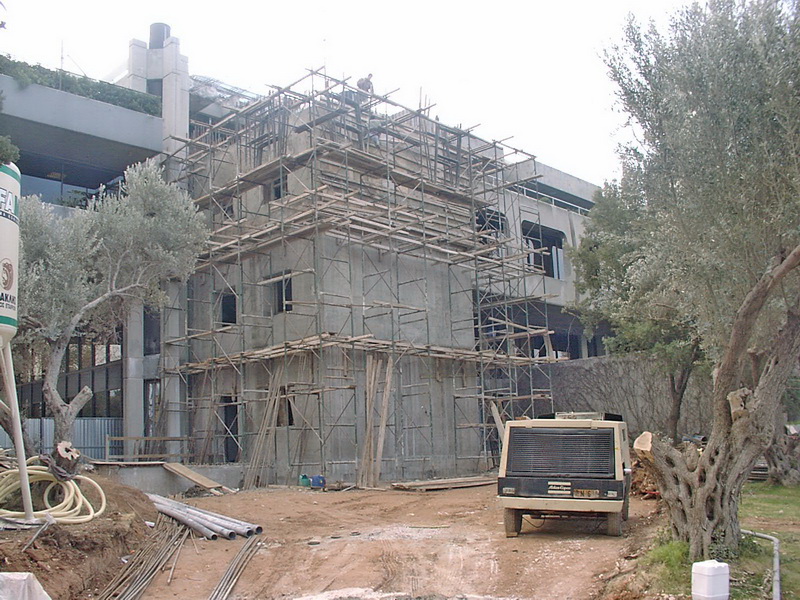
Porcelana’s commercial building is located on Vouliagmeni Street in Athens and was designed by architect N. Ktenas.

Voyatzoglou Systems’ commercial products Logistics Center has a 20,000m2 storage space in a single building and is one of the largest in its kind.

A building complex in central Athens, gradually built in the 1960s, which houses Greece’s Telecommunications’ Organization center.

It is a building with offices and entertainment venues on Iera Odos in Athens. It is the work of the architect G. Lambrou.

Existing office and wholesale stores building complex on the National Road, Metamorfosi Attica.

Modern, “minimal”, office building consisting of a basement, ground floor and 3 more storeys, with rectangular plan view, located in Bucharest, Romania which is characterized as a seismic prone area.

It is an office building, in Thermi, Municipality of Thessaloniki, on the highway that connects the city centre with the airport.

Organizer Stores in Bucharest have an area of 15,500 m2, consisting of two interconnected steel-profile buildings, designed by architect Victor Fulicea.

In the center of Kefalari, in the Municipality of Kifissia in Athens, there is an old 1955 hotel consisting of a basement, a ground floor and three floors.

The “Delenco” office building, in the center of Bucharest, consists of two underground levels, a ground floor and ten more storeys and it is built with reinforced concrete.

This is a new reinforced concrete building, hosting offices and a shop, in Glyfada Attica.

It is an existing reinforced concrete building, built in 1985, in Agia Paraskevi, with two basements, a ground floor, a floor and a roof, which served as a single shop and suffered extensive fire in 2010 for approximately two hours.

Three “adjoining” 1950s buildings in Rethymno, Krete, are reconstructed and have their use changed.

Office building made of reinforced concrete, built in the 1960’s, in the center of Athens, on Ermou Street.

It is an existing two-storey building, built in the 1930s. It is located in the center of Volos, in the busiest commercial area, on Ermou Street.

A new, multi-storey building in the center of Bucharest, Romania, completed in 2017. It is a corner, free from everywhere building on Unirii Boulevard, next to the Palace of Justice, in a particularly distinguished position.

It is an office building in Peania, on the borders of the Athens urban grid, which belongs to a large commercial enterprise.
cubus engineering
7, Themistokli Sofouli Str.
154 51, Neo Psychiko
Athens, Greece